report

The Hidden Heist

How Corporations Push State Bans to Keep Us Broke and Hijack Our Democracy

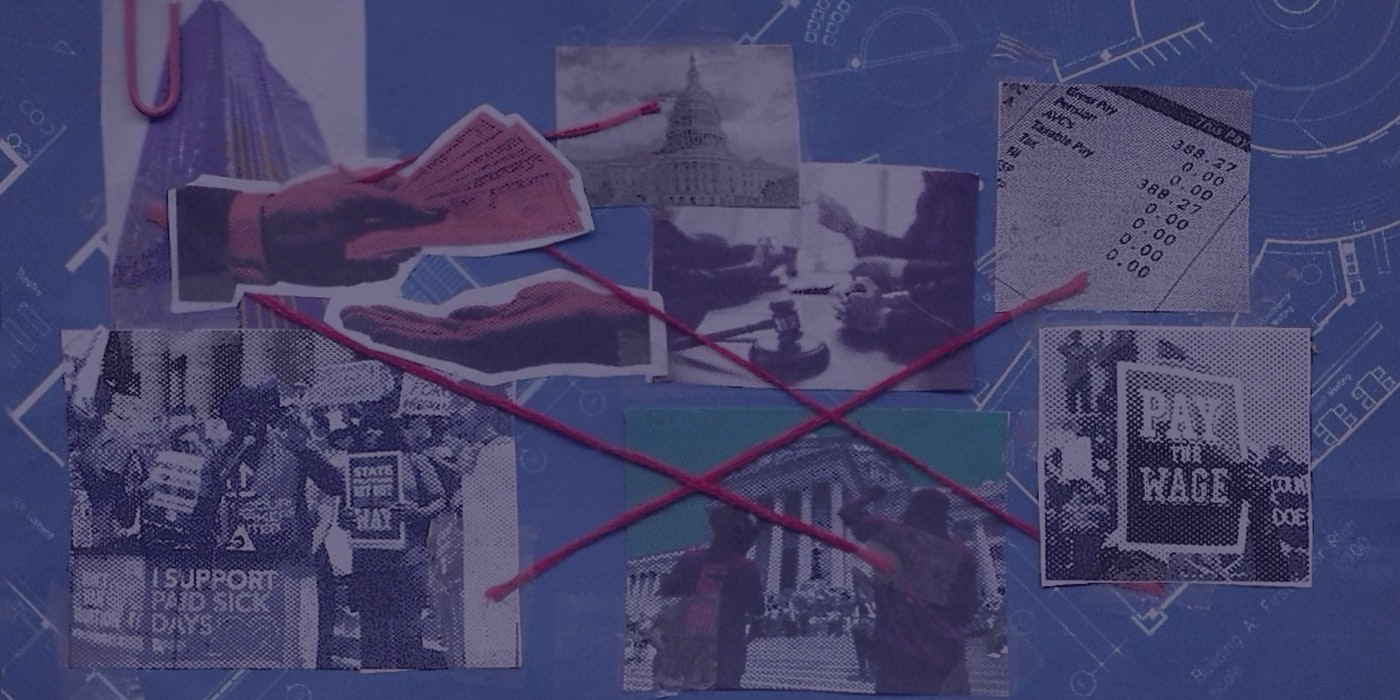
A collage of images connected by red lines: hands exchanging money, people rallying outside a capital building, people with protest signs saying "pay the wage," a corporate office tower

From Music City to the Mile High City, small town Missouri and suburban California, communities have organized for decades to win powerful local solutions that address shared needs.

From making sure our jobs pay enough to cover the bills and our housing is affordable, to protecting each other from pollution and harassment, we have worked together to take care of each other and stand up to corporate greed.

But corporations have honed a strategy for blocking our efforts to check their abuses — one that keeps them in the shadows while they hijack the tools of our democracy. Often hiding behind industry lobbying associations, corporations buy, bully, and bamboozle state lawmakers into banning local policies that protect communities.

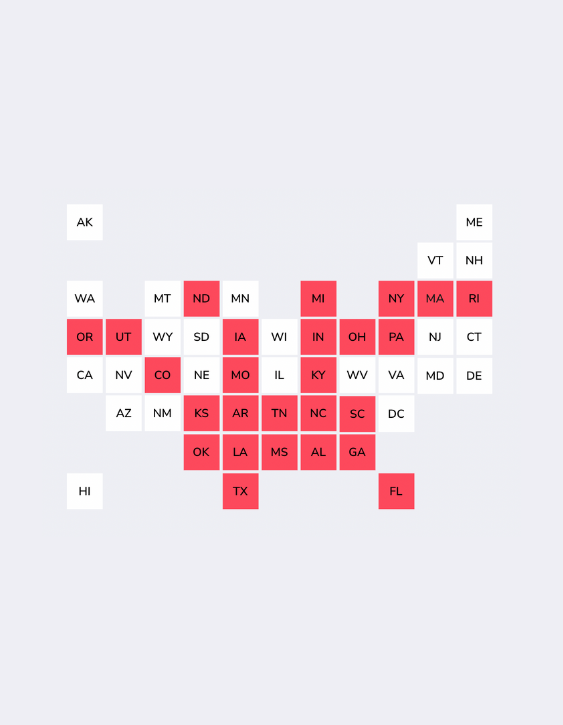
These state bans now tie the hands of communities and local leaders in all 50 states, attacking our essential freedoms so they can keep profiting off our pain. Corporations have used these bans to harm millions of people — stealing paid sick days, higher wages, reasonable caps on rent, and even water breaks for people working outside in the heat. And communities of color, women, immigrants, LGBTQ+ people, and disabled people have borne the brunt of this pain.

In their fervent quest to resist any checks on their power and profitmaking, corporations have also created the political structures, the playbook, and the social and economic conditions that have fueled the rise of authoritarians today.

Explore the report

This report reveals how corporations in different states, industries, and eras have used the same playbook to ban a wide range of community-driven solutions.

It includes:

  • Corporate power vs community progress: The two-century history of corporations and wealthy elites hijacking democracy.

  • State case studies: Exposing how corporations have banned affordable housing solutions, higher wages, and livable workplaces in California, Colorado, Missouri, Tennessee, and Texas.

  • The repeat tactics: How corporations buy, bully, and bamboozle to get their way.

  • The repeat villains: The industry groups, corporations, and ideological think tanks that push state bans from state to state.

In our five case study states, we trace how corporations — working through industry groups and partnering with ideological think tanks and politicians — have pushed state bans that:

  • Enable landlords to charge sky-high rents for up to 4 million renters in Tennessee, Colorado, and California — trapping low-income renters into escalating affordability crises that harm their health.

  • Cut off life-saving paid sick leave from over half a million people in Missouri, endangering one in four Missouri children.

  • Took away over $580 million a year in higher wages from the lowest paid Missourians and gave it to corporations instead.

  • Increase the risk of heat-borne illness and death for over 3 million Texans who work outdoors.

  • Threaten the safety and dignity of 1.3 million LGBTQ+ Texans and create new obstacles to upholding the rights of immigrants, people of color, and disabled people across Texas.

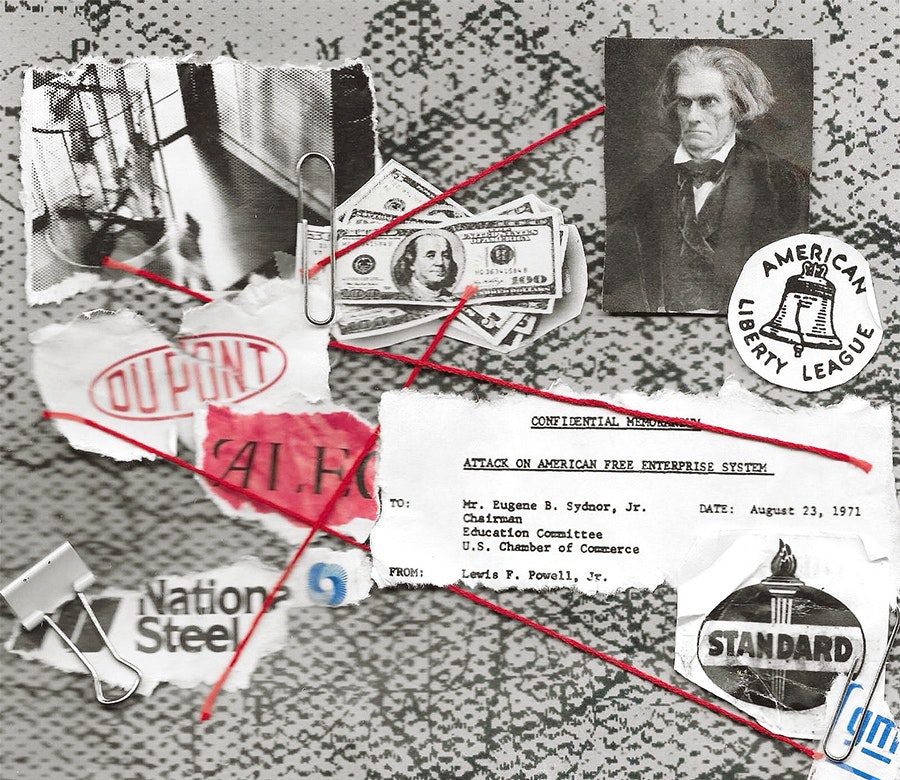
A collage of elements set against a textured old US map, with red string connecting elements: a pile of money, a historical image of John Calhoun, logos of the American Liberty Leage, ALEC, Standard Oil, National Steel, General Motors, DuPont; torn shreds of the Powell Memo

Corporate Power vs Community Progress

The Rise of State Bans as a Tool to Hijack Democracy

The state bans corporations push today are part of a longer two-century effort by corporations and wealthy elites to hijack democracy and suppress efforts to rein in their abuses. In the process, they’ve created the conditions that fueled the rise of authoritarians today.

Explore how we got here

State Case Studies

All across the country, corporations have used the same tactics to block community-driven solutions like higher wages, affordable homes, and safe workplaces — while hijacking our democracy to serve their interests.

The Repeat Tactics: Buy, Bully, Bamboozle

To push state lawmakers into banning community solutions, corporations turn time and again to the same set of tactics:

Buy

Corporations often join forces and pool resources through large industry-wide lobbying groups and super PACs with innocuous-sounding names. That way the corporations can magnify their power while protecting their individual brand image. They then channel money through these groups to pay for lobbying efforts that influence lawmakers to advance their corporate interest. They also used these funds for campaign contributions to elect corporate-friendly lawmakers, while blocking community-backed candidates from winning.

These industry groups often also directly author state bans and other pro-business bills, with legislators acting primarily as mouthpieces for their corporate donors. And when issues are put directly to voters through ballot initiatives, corporate-backed political committees spend huge sums on misleading ads in order to overwhelm community voices and block community-led solutions.

For example

The National Restaurant Association and the Missouri Restaurant Association pooled resources to give $45,000 in 2015 to “Missourians for Fair Wages,” a PAC operational for one year only, formed specifically to oppose local minimum wage increases. As described in the Missouri case study, the PAC was pivotal to the corporate strategy to delay and block local wage increases in St. Louis and Kansas City from taking effect before the state’s minimum wage ban became law.

Bully

Companies regularly hire law firms to sue states for adopting policies that check their power. They also threaten to jack up prices or, having already pushed out local competition, threaten to exit a local or state market altogether. Corporations may even seek to punish elected officials for taking action to protect their communities.

For example

The Texas Public Policy Foundation — a right-wing, corporate-aligned think tank and a driver of that state’s sweeping “Death Star” ban — has used the threat of lawsuits (and the associated legal costs) as a weapon to bully cities like Dallas into repealing existing local policies that may stand in contrast to the new draconian state law. TPPF recently sued the city of Dallas over a list of 133 local policies — including everything from LGBTQ+ employment protections to water conservation policies to minimum wage ordinances.

Bamboozle

Rigging public narratives against local regulation and oversight is a cornerstone of the corporate playbook. Corporations, their lobbyists, and political allies across the country routinely parrot the talking point that local policies create a “patchwork of regulation” harmful to employers — but then fight all efforts to pass consistent statewide or national labor, environmental, or consumer safeguards. Corporations regularly make the argument that any regulation will hurt the people it’s meant to help — e.g. that rent stabilization will restrict housing supply or that modest increases to minimum wages will result in job loss. And they even use messaging that co-opts community concerns to confuse people about the impact of policies.

Not only are these claims unsupported by evidence, the same industry groups pushing these arguments are too often composed of corporations notorious for holding down wages or jacking up rents for the same people their industry lobbyists claim to protect. Corporations and their industry associations regularly evoke the plight of small businesses, warning that checks on corporate power will cost Main Street shops — and the jobs and families they support. Yet some of the same industry groups claiming to represent the interests of small business are funded by major corporations or have representatives of those corporations sitting on their board. And it is too often the interests and bottom lines of these massive corporations — not the mom-and-pops — that are setting the agenda at the legislature and the ballot box.

For example

In Concord, the California Apartment Association repeatedly sent misleading text messages to residents about proposed rent stabilization policies, including one set of messages that urged residents to “vote YES on Councilmember Pablo Benavente’s proposal to cap Concord rents” when his proposal involved actually increasing the allowable rent cap from 3% to 7%. This bamboozle was part of the strategy that led to the Concord City Council voting to re-open and ultimately weaken Concord’s existing rent stabilization policy in 2025 — which the Apartment Association celebrated as a rare occurrence.

The Repeat Villains

In state after state, the same industry groups, corporations, and ideological think tanks use buy, bully, and bamboozle tactics to push state bans on community solutions:

Credits

This project builds on the insights, perspective, and hard work of many staff, partners, affiliates, and movement collaborators. In addition to PowerSwitch staff, this project was made possible by: Julie Gozan and Holley Knaus (original research, analysis, and writing) and Zoë Levitt (narrative and substantive editing, supplemental research, and writing). We welcome ongoing opportunities to collaborate on, sharpen, and strengthen our analysis.

Related Resources